No questions match that search.

Yes. If the organization is inactive or no longer viable, we can help you understand what must be brought current first, and then complete a compliant dissolution plan and filings…
Read More
We use a structured checklist approach with step-by-step deliverables, clear client inputs, and staged approvals. This prevents rework and keeps your timeline predictable.
Read More
Yes. We can map your federal and state deadlines, renewal cycles, and internal governance actions into a practical compliance calendar.
Read More
Yes. We help nonprofits set up simple, repeatable workflows—such as meeting cadence and minutes templates, approval and signature authority, recordkeeping structure, and a…
Read More
Use dual-approval controls, segregate financial duties, reconcile monthly, and require receipts and written policies. Simple controls prevent most problems.
Read More
Earned income is revenue from fees or sales tied to your programs. It can be excellent for sustainability, as long as it aligns with your mission and doesn’t become primarily…
Read More
A clear mission statement, impact metrics, leadership list, and basic financial transparency (like summaries and your 990 when available). Avoid sharing sensitive personal data or…
Read More
Treat them as non-cash contributions, document the donation date/time, and follow valuation and acknowledgment rules. Because volatility is high, many nonprofits choose to…
Read More
Often yes. Tax exemption does not automatically cover sales/use tax, employment taxes, or state-level exemptions. Requirements vary by state.
Read More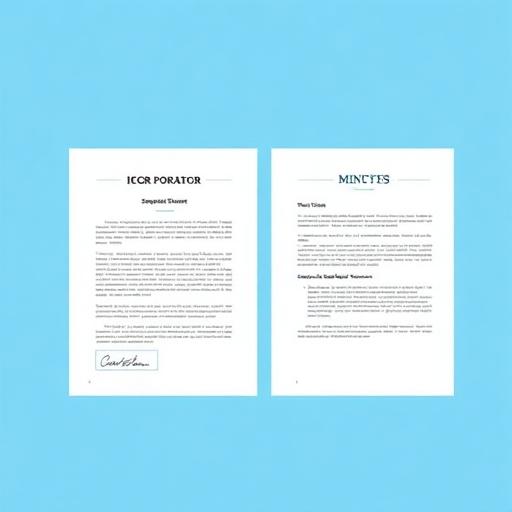
The incorporator statement appoints the initial directors. Board minutes document decisions the board makes after appointment. Both matter for a clean legal record.
Read More
Document it carefully and discuss whether funds are treated as a donation to the new nonprofit or a reimbursable advance. The board should ratify the treatment in writing.
Read More
Sometimes, but it may be inefficient. For one-off events, a fiscal sponsor or partnering with an existing charity can be simpler and more compliant.
Read More
If programs, volunteers, fundraising, and compliance exceed what a volunteer board can manage, it’s time to consider staff leadership. A clear job description and budget should…
Read More
They can share influence, but legally the board holds authority. If co-founders want stability, document roles, employment relationships, and decision boundaries clearly.
Read More
The Secretary often maintains corporate records, ensures notices and minutes are handled properly, and confirms governance compliance. It’s a key accountability role.
Read More
A board matrix maps current directors’ skills, networks, demographics, and lived experience. It helps you recruit intentionally rather than randomly.
Read More
Yes—there are specific steps to update your legal name with the state and to notify the IRS, often through your next filing or written notification as appropriate.
Read More
Missing charitable registrations, weak documentation, informal money handling, and lack of board oversight. A compliance calendar and simple policies prevent most problems.
Read More
Many nonprofits must provide certain documents upon request, such as exemption applications and Form 990s (with limited redactions). Have a plan so disclosures are consistent and…
Read More
If commercial activity becomes primary and mission becomes secondary, the IRS may question exemption. The solution is aligning revenue activities with mission and documenting…
Read More
Transparency, consistent delivery, respectful engagement, and including community voice in leadership and program design. Trust is built over time through accountable action.
Read More
Yes. The project can become its own nonprofit with appropriate asset transfers and governance planning. Documentation is key to keep the transition clean.
Read More
A board governs legally and has fiduciary duties. An advisory council provides guidance and connections but does not control the organization unless expressly structured to do so.
Read More
Yes, and mergers can be an effective way to combine missions, reduce overhead, or scale impact. They require careful legal steps and donor/funder communication.
Read More
Yes. As you grow, we can help update bylaws, add governance policies, formalize committees, and build processes that match the organization’s new size and risk profile.
Read More
Yes. Events and raffles can raise special legal and disclosure issues, and we can help you understand compliance requirements and how to structure fundraising to reduce risk.
Read More
Yes. We can assess what was filed, identify gaps (missing clauses, governance issues, compliance problems), and propose a corrective plan such as amendments, replacements, or…
Read More
Yes. We can help map out what was missed (state filings, 990 series, charity renewals), prioritize corrective steps, and build a plan to restore good standing and/or pursue…
Read More
Yes. It can be short, but it helps you avoid accepting burdensome gifts (real estate, vehicles, crypto) without a plan for valuation, holding, or liquidation.
Read More
Both is ideal. Track by program for internal budgeting and by funder for reporting and compliance with grant terms.
Read More
Sometimes. If members receive substantial benefits (services, access, discounts), dues may be partly or fully non-deductible and treated more like program revenue. If benefits are…
Read More
A development policy sets rules for fundraising practices, gift acceptance, restricted gifts, acknowledgements, and donor privacy. Small nonprofits benefit because it prevents…
Read More
It’s strongly recommended because it sets expectations early and helps avoid insider transactions that can harm credibility. It also supports best governance practice.
Read More
The organizational meeting establishes your bylaws, officers, banking authority, and key policies. Regular board meetings follow your normal schedule for oversight and strategy.
Read More
Choose based on responsibility and reliability, not titles. A Treasurer should be financially literate; a Secretary should keep clean records; the Chair/President should manage…
Read More
That approach often causes expensive corrections. It’s usually better to form correctly at the start—especially purpose language, dissolution clause, and governance structure.
Read More
Use dashboards: budget vs actual, cash position, and key risk flags. Oversight is about controls and trends, not daily operational decisions.
Read More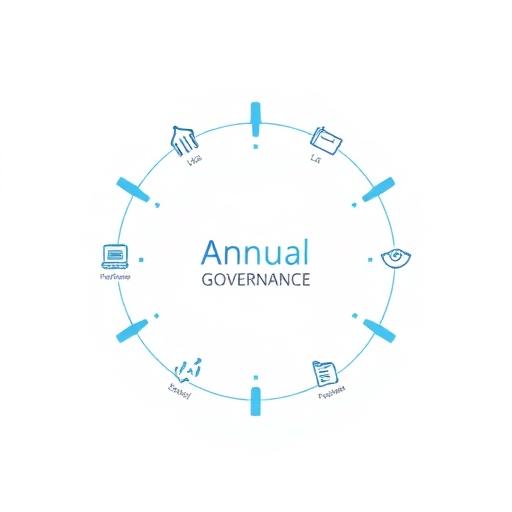
Typical annual governance includes board elections, officer appointments, budget approval, conflict-of-interest disclosures, and executive performance goals. A standardized annual…
Read More
Provide a structured onboarding packet, a short orientation call, and a clear first-year agenda. New directors should understand mission, finances, programs, and the…
Read More
Committees should research and recommend; the full board should approve major decisions. Minutes and reporting keep committees aligned and accountable.
Read More
It means pay consistent with market norms for similar roles. Document with comparability data, independent approval, and minutes.
Read More
Yes, if documented and approved under a written reimbursement policy. The board should approve reimbursements to insiders with extra care and clear records.
Read More
It’s not required, but it helps donors and grantors verify your legitimacy. Many funders expect it as part of basic transparency.
Read More
Private foundations face additional restrictions and excise tax regimes. Public charities must monitor public support and maintain broad-based funding to keep classification.
Read More
Yes, but international work can add legal and reporting complexity. Strong documentation and controlled disbursement processes are important.
Read More
It means the organization is current on required state filings and fees and is legally allowed to operate. Good standing often affects grants, banking, and contracts.
Read More
Because governance is a signal of trust and stewardship. Strong governance reduces the risk of misuse and improves long-term impact.
Read More
Grants, program fees, contracts, sponsorships, and mission-aligned product/service sales. Diversified revenue often improves sustainability.
Read More
It’s risky. Many states regulate fundraising professionals, and percentage-based compensation can raise ethical and compliance concerns. A salary or flat-fee model is often safer.
Read More
Yes, if it still furthers the mission and reinvests surplus into programs. The key is mission-first operations and avoiding private benefit.
Read More
Yes. Online operations and nationwide fundraising can trigger multi-state compliance considerations, so we help you plan your registrations and disclosures based on your footprint.
Read More
We follow professional standards for protecting client information and limit access to what is necessary for the legal work. If you have internal security requirements, we can…
Read More
Yes. We can assemble and standardize the core documents most third parties request—such as your Articles, bylaws, EIN letter, initial resolutions, conflict policy, and key…
Read More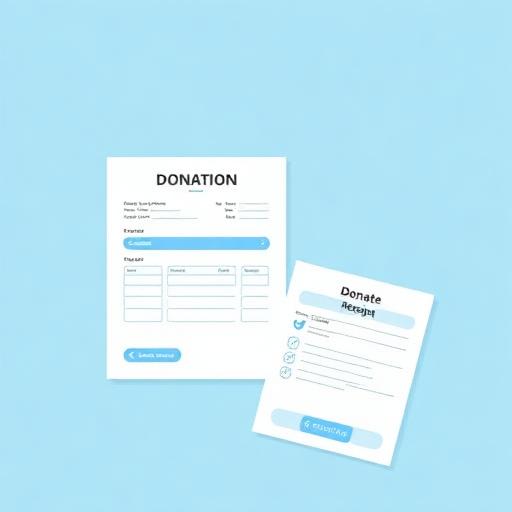
Yes. We can provide compliant donation receipt language and recommended wording for websites and fundraising materials, especially around deductibility timing and quid pro quo…
Read More
You must be careful: a charity generally cannot serve as a pass-through for gifts to a named individual. Assistance must be based on objective criteria and a documented process.
Read More
Often both. Ticket sales may include a donation component and a goods/services component (meal/entertainment). Properly splitting them improves compliance and donor clarity.
Read More
It should clearly disclose the fair market value of what the donor received and the deductible portion of the payment. This protects donors’ deductions and reduces compliance…
Read More
It’s your organized governance file: Articles, bylaws, minutes, resolutions, EIN letter, tax filings, key registrations, and major contracts. Keeping it current reduces risk and…
Read More
Yes. Many nonprofits call supporters “members” for engagement, while legal governance remains board-run. The key is clarifying that supporters do not have statutory voting rights…
Read More
Generally no. Modern practice rarely requires a seal, and most states do not require one for routine nonprofit operations.
Read More
Clear state availability is not enough—consider trademark conflicts, web domain availability, and confusion with existing charities. A distinct name supports fundraising and…
Read More
Use agendas, rules of debate, and a Chair who facilitates fairly. If conflict persists, governance committees or outside facilitation can help reset norms.
Read More
Bylaws are your governing rules and are harder to change. Policies are operational governance tools (expense policy, whistleblower policy) that can be updated more easily as the…
Read More
It depends on state law and your bylaws. Many organizations permit unanimous written consent outside meetings, but routine decision-making is usually better handled in properly…
Read More
Clarify roles early and put authority boundaries in governance documents and policies. A healthy nonprofit balances founder vision with board oversight and transparency.
Read More
Keep governing documents permanently and retain financial and donor support records in an organized way for multiple years. Clean, consistent records reduce audit stress and…
Read More
File as soon as possible and keep documentation. The biggest risk is repeated non-filing; three consecutive years of missing returns can trigger automatic revocation.
Read More
Education informs the public without asking them to support or oppose legislation. Lobbying includes calls to action related to specific bills or legislative outcomes.
Read More
No. Many nonprofits charge fees, use sliding scales, or contract with government. The measure is public benefit, not free services.
Read More
A nonprofit has no owners and distributes no profits. A benefit corporation is still a for-profit with owners, but it commits to public benefit goals in addition to profit.
Read More
We keep requests simple and staged: you provide only what’s needed at each step, and we carry the technical drafting and compliance sequencing. This reduces back-and-forth while…
Read More
Yes. We can evaluate your expected funding sources, governance preferences, and program model to help you structure toward public charity status when appropriate, or plan for a…
Read More
Sometimes. If members receive substantial benefits (services, access, discounts), dues may be partly or fully non-deductible and treated more like program revenue. If benefits are…
Read More
It’s money you have but cannot freely spend because a donor limited it to a specific purpose or time period. Your accounting must track restrictions so funds aren’t accidentally…
Read More
It defines which decisions are reserved to the board (budget approval, ED hiring) and which are delegated to officers or staff (routine spending). This prevents confusion and…
Read More
You can build it before approval, but you should implement policies and risk management early—especially training, supervision, and background checks when appropriate.
Read More
Start with your program budget, then back into the needed fundraising total after subtracting earned income and committed grants. Add realistic donor conversion and retention…
Read More
Yes. We can provide practical templates for initial board actions, ongoing meeting minutes, officer appointments, conflict disclosures, and other governance records so you build a…
Read More
Many agencies allow a PO Box for mailing, but not always for registered agent or principal office requirements. You may need both a physical address and a mailing address.
Read More
It should be broad enough to allow growth but specific enough to clearly fit charitable purposes. A well-drafted purpose clause reduces amendment needs later.
Read More
Often yes, but best practice is dual controls: either two signatures for larger amounts or a second approval process. The goal is accountability, not concentration of control.
Read More
Provide a structured onboarding packet, a short orientation call, and a clear first-year agenda. New directors should understand mission, finances, programs, and the…
Read More
Typically founders, officers, directors, key employees, and others with substantial influence. Transactions involving these individuals should be handled with extra controls and…
Read More
Sometimes. If you have unrelated business income, you may need Form 990-T. If you have certain reportable transactions or foreign activities, additional schedules may apply.
Read More
UBI generally involves a trade or business that is regularly carried on and not substantially related to your mission. Good structuring and documentation can reduce risk and…
Read More
A charitable class is a sufficiently large or indefinite group of potential beneficiaries, not a small list of named individuals. This concept helps keep aid charitable rather…
Read More
It can be, if the program serves a charitable class and not insiders. Documentation and objective access matter to show public benefit.
Read More
Yes, as long as the benefit is public and eligibility is based on neutral, objective criteria rather than serving private interests. Many charities focus on a defined population.
Read More
Yes, but there are limits on lobbying and strict prohibitions on candidate endorsements. Your plan should distinguish permissible education from prohibited political activity.
Read More
It’s when funding opportunities pull an organization away from its core purpose. Clear strategy and disciplined board decision-making help prevent it.
Read More
Charities (often 501(c)(3)) focus on public benefit and can offer donor deductions. Social welfare groups (501(c)(4)) allow more advocacy but donations are usually not deductible.…
Read More
It’s a stricter rule: insiders cannot receive improper benefits from the nonprofit’s earnings or assets. Violations can threaten exemption and lead to penalties.
Read More
Record the gross donation amount as contribution income and record processing fees as an expense. This keeps revenue reporting accurate and matches bank deposits.
Read More
Yes. We can assess what was filed, identify gaps (missing clauses, governance issues, compliance problems), and propose a corrective plan such as amendments, replacements, or…
Read More
An executive session is a board-only portion of a meeting, typically used for sensitive matters like staff performance, legal issues, or conflicts. It supports candid governance…
Read More
Often yes, especially if you have events, volunteers, youth programming, or facility use. General liability and D&O insurance are common early policies.
Read More
Yes—separating personal and organizational funds is essential for good governance and credibility. A dedicated bank account also simplifies bookkeeping and audit trails.
Read More
No. The organization owns its assets, and they must be used for its mission. Intellectual property can be handled carefully, but nonprofits cannot be treated like personal…
Read More
No. “Nonprofit” is a state entity type; “charity” is a category of purpose and often refers to 501(c)(3) status. Some nonprofits are social clubs, trade associations, or social…
Read More
Not necessarily. Many nonprofits start with a mailing address, but you still need a reliable address for state notices and a registered agent address where required.
Read More
You can begin planning and organizing, but handling funds without a dedicated bank account is risky. It’s best to open the account as soon as you have an EIN.
Read More
Usually yes, if your bylaws and state law allow remote meetings and you can verify attendance and votes. Keep minutes just as you would in person.
Read More
Many small nonprofits start with cash accounting, but accrual accounting is often better for grants, pledges, and restricted funds. The best choice depends on complexity and…
Read More
A chart of accounts is the backbone of your accounting system—your categories for income, expenses, assets, and liabilities. Even small nonprofits benefit because it prevents…
Read More
It’s your proof of federal exemption for banks, grantors, and donors. Keep it easily accessible because you will be asked for it frequently.
Read More
Use program expenses for mission delivery, admin for operations (insurance, accounting), and fundraising for donor acquisition and events. Consistent categorization supports…
Read More
Start with enough to provide independence and skills coverage without creating a coordination burden. Many startups begin with 3–5 active directors and expand as programs grow.
Read More
Because they hold assets for public benefit and must show accountability. Formal governance protects the mission, funds, and community trust.
Read More
We typically need your nonprofit’s proposed name, mission summary, state of formation, board member names/titles, and a short description of planned activities and fundraising. If…
Read More
After the consultation, you’ll receive a clear next-steps summary outlining what we will prepare, what you will provide, and the expected timeline for each step. If you move…
Read More
If the IRS requests clarification, we help prepare a structured response that matches the IRS’s specific questions and supports your exempt purpose and operations. The goal is to…
Read More
Yes, many nonprofits must register before soliciting donations in their state, and then renew annually. We can help you identify which filings apply and keep them on a…
Read More
Recognition date is when the IRS approves you, but deductibility is often retroactive to your formation date if you applied timely. Donor communications should still be careful…
Read More
Most states require at least a President (or Chair), a Secretary, and often a Treasurer, though titles vary. Even in small organizations, separating these roles promotes checks…
Read More
Private benefit occurs when the nonprofit’s activities primarily benefit specific individuals rather than the public. Avoid it by using objective eligibility criteria, fair-market…
Read More
It generally means the organization may be exempt from federal income tax on mission-related income. It does not mean exemption from every tax, nor does it eliminate filing…
Read More
Incorporation date is when the state recognizes your corporation. Start of operations is when you begin activities—both can matter for reporting and for explaining your history to…
Read More
While not legally required, a basic business plan helps you clarify your programs, funding model, and staffing needs. It also reassures the board and early donors that you have a…
Read More
Yes. A board member agreement or expectations letter clarifies attendance, fundraising participation, confidentiality, conflict disclosures, and time commitment.
Read More
Make sure new activities still further an exempt purpose and are described clearly in your next Form 990 narrative. If the pivot is major, you may also need state amendments and…
Read More
Good intentions alone are not enough to ensure accountability, fairness, or effectiveness. Formal governance structures ensure that decisions are made thoughtfully, resources are…
Read More
Mission drift occurs when activities or funding opportunities pull the organization away from its core purpose. Clear strategy, disciplined decision-making, and regular board…
Read More
Trust grows through transparency, consistent communication, meaningful involvement of community voices, and delivering on promises over time. Listening is often as important as…
Read More
Yes, many nonprofits work across borders through partnerships, grants, or direct operations. International work raises additional legal, tax, and risk considerations that require…
Read More
Nonprofits range from all-volunteer neighborhood groups to global organizations with thousands of employees. The sector includes both very small and very large entities; scale…
Read More
Minor changes usually only need to be reflected in your next Form 990. Major shifts that alter your primary purpose may require updating your Articles and notifying the IRS,…
Read More
If revocation occurs, your income may become taxable, and donors may lose the ability to claim deductions. You can often apply for reinstatement by filing the appropriate forms,…
Read More
While rules vary, many nonprofits keep financial and donor records for at least seven years. Some core documents, such as governing documents and determination letters, should be…
Read More
Yes. Churches and certain related organizations have special rules for recognition and reporting, and many are not required to file Form 990. However, they must still meet the…
Read More
For quid pro quo gifts over $75, you must tell donors how much of their payment is tax-deductible and how much is the fair market value of the benefits they received (like meals…
Read More
New directors should receive the Articles, bylaws, key policies, recent financials, the latest Form 990, strategic plan (if any), and recent minutes. A planned orientation helps…
Read More
Yes. If the founder is an officer, employee, or director, they can be removed according to the bylaws and employment policies, especially in cases of misconduct or persistent…
Read More
Disagreements should be addressed through open discussion, clear reference to the mission, and, if necessary, neutral facilitation. Ultimately the board, not the founder, holds…
Read More
Key policies include conflict of interest, whistleblower, document retention and destruction, financial controls, and, for many organizations, policies on harassment, equity, and…
Read More
Committees typically present written or verbal reports summarizing their work and bringing specific recommendations for board approval. The board remains ultimately responsible…
Read More
The determination date is the date the IRS formally recognizes your tax-exempt status. It matters because many funders and donors require proof of exemption, and IRS rules often…
Read More
Transition typically involves forming your own corporation, obtaining IRS recognition, and signing an asset transfer agreement with the sponsor. Clear communication with donors…
Read More
A fiscal sponsor may be a better choice if your project is short-term, experimental, or not yet ready for full governance and compliance responsibilities. Sponsorship lets you…
Read More
Yes, you may hire staff as soon as your corporation exists and you have an EIN, but you should be realistic about cash flow and the risk that IRS approval could be delayed.…
Read More
Omissions such as missing charitable-purpose language, an absent dissolution clause, or unclear public benefit statements can cause state or IRS questions. Using…
Read More
You can publish summary financial statements, key program outcomes, and your most recent Form 990, while keeping detailed internal reports confidential. Clear explanations and…
Read More
Yes. Many charities charge sliding-scale or market-rate fees for services. The key is that the primary purpose of the activity must be charitable and that any surplus is…
Read More
You should have a gift acceptance policy that sets criteria for when to accept property, how it will be evaluated, and whether it will be held or sold. For complex gifts, it is…
Read More
Volunteer hours are generally not recorded as revenue under accounting rules, even though they are valuable. However, specialized professional services donated by volunteers (like…
Read More
A donor-advised fund (DAF) is a giving account managed by a sponsoring charity (such as a community foundation) where donors recommend grants. From your perspective, a DAF grant…
Read More
Some nonprofits rely heavily on donations, while others generate most of their revenue from fees, contracts, or sales. What defines them as nonprofits is not the revenue mix but…
Read More
Social entrepreneurship involves using innovative, often revenue-generating approaches to solve social problems while remaining mission-driven. Nonprofits may launch social…
Read More
They may partner on contracts, public-private initiatives, sponsorships, or joint projects. Effective collaboration requires clear agreements, respect for each partner’s role, and…
Read More
Operational charities run programs directly, while grant-making foundations primarily fund other organizations or individuals. Some nonprofits combine both roles, but their…
Read More
No. Only donations to qualified 501(c)(3) organizations and certain governmental entities are tax-deductible for individual donors. Contributions to many other types of…
Read More
The IRS requires written acknowledgements for contributions of $250 or more if donors want to claim deductions. However, many nonprofits provide receipts for all gifts to maintain…
Read More
Use comparability data (such as salary surveys), independent board review, and documented decision-making when setting compensation or approving contracts with insiders. A strong…
Read More
Intermediate sanctions arise when a disqualified person (such as an insider) receives an economic benefit from the charity that exceeds the value of what they provide in return.…
Read More
Yes, but these activities must be strictly nonpartisan. All viable candidates should be invited, and the organization should avoid endorsing, favoring, or opposing any candidate.
Read More
The 501(h) election allows charities to measure their lobbying using clear dollar limits based on their size, rather than vague “substantiality.” Many public charities that do…
Read More
You might consider a separate entity for activities that carry different risks, funding streams, or tax treatments—for example, an affiliated support organization, a separate…
Read More
A quorum is the minimum number of directors who must be present to conduct official business, often a majority of the board. Setting an appropriate quorum in your bylaws helps…
Read More
Your bylaws should spell out the process for removal, often requiring notice and a super-majority vote. Using that process sparingly but consistently helps protect the…
Read More
A governing board has legal authority and fiduciary responsibility for the organization. An advisory board offers insights, connections, or expertise but does not have formal…
Read More
Many nonprofits avoid having staff as voting board members to maintain clear lines of accountability. Staff can still attend meetings and present reports without having voting…
Read More
Initial consents or written actions by the incorporator and board ratify key early steps, such as adopting bylaws, appointing officers, and authorizing the IRS application. These…
Read More
If you intend to have legal “members” with voting rights similar to shareholders, some states require that to be reflected in the Articles. For more flexible, non-voting…
Read More
Yes, many religious organizations incorporate and may apply for 501(c)(3) status. Churches have some special rules and may be treated differently for IRS filing purposes, so it’s…
Read More
Founders’ cash or property contributions should be treated as donations or loans, not as equity, and documented in board minutes and financial records. Clear documentation avoids…
Read More
Most charities are formed as nonstock nonprofit corporations, which have no shareholders and are designed for public benefit. Other forms, such as nonprofit LLCs, can be used in…
Read More
At a minimum, your budget should be reviewed mid-year to reflect changing realities. Many nonprofits update projections quarterly so they can adjust staffing, fundraising, or…
Read More
Boards should receive at least a statement of activities (income and expenses), a statement of financial position (balance sheet), and a cash flow or budget-vs-actual report.…
Read More
If a business simply provides a name listing and “thank you,” it is often treated as a charitable contribution. If you provide promotional benefits such as advertising or…
Read More
Yes. The source of the funds (grant or otherwise) does not change your obligation to issue 1099s to qualifying independent contractors. If you pay a contractor above IRS…
Read More
Restricted grants limit how the funds may be used (for example, only for a youth program), whereas conditional grants are not guaranteed until certain conditions are met (like…
Read More
Volunteers extend the organization’s reach and connect it deeply to the community. However, nonprofits must still manage volunteers with clear roles, training, and risk…
Read More
Nonprofits are subject to both corporate law and charitable-trust principles, as well as federal and state oversight of fundraising and tax-exempt status. They answer not only to…
Read More
Conversion is possible but complex. In most cases, the nonprofit’s assets must be transferred to another charity or used to further charitable purposes; they cannot simply be…
Read More
Public benefit means the organization’s activities primarily help the public rather than insiders or a small private group. This concept underlies both state nonprofit law and…
Read More
Nonprofits measure success in terms of mission impact—such as people served, outcomes improved, or systems changed—rather than shareholder return. Financial stability supports…
Read More
Charities may engage in some lobbying (trying to influence legislation) as long as it is not a “substantial part” of their activities. There are two ways to measure this: the…
Read More
File as soon as possible and consult with a professional about whether any penalties apply. Repeated late filings or three consecutive years of not filing can lead to automatic…
Read More
You should retain detailed financial statements, bank records, grant agreements, payroll data, and board minutes. Strong documentation makes it easier to prepare accurate returns…
Read More
If you discover a significant error, you can file an amended return marked “Amended” at the top. The amendment should clearly explain what changed and be approved by the board or…
Read More
You must file Form 990-T if you have $1,000 or more in gross income from activities that are not substantially related to your exempt purpose. This is in addition to your regular…
Read More
Start by clarifying the perspectives, skills, and lived experience you need to serve your community well. Then recruit beyond your immediate networks, engage community leaders,…
Read More
Succession planning prepares the organization for leadership transitions, whether planned or unexpected. It can include cross-training, emergency backup roles, and a process for…
Read More
Most boards conduct a formal evaluation at least once a year, using agreed-upon goals and performance metrics. Regular informal feedback throughout the year is also important for…
Read More
Minutes are the official legal record of board decisions and demonstrate that the board is meeting its fiduciary duties. They should note the date, attendees, major discussions,…
Read More
An agenda typically includes approval of minutes, financial reports, key program updates, committee reports, and specific decisions or policies to be considered. It may also…
Read More
Look for people who bring a mix of skills (finance, legal, program expertise), community credibility, and time to serve. It is more important to have engaged, independent…
Read More
The incorporator signs and files the Articles of Incorporation with the state; this can be one person. Directors serve on the board, make policy decisions, and have ongoing…
Read More
Most states require a registered agent with a physical address in the state to receive legal and government notices. This can be an individual or a professional registered agent…
Read More
Your name must be distinguishable from other entities on file in your state to avoid confusion. It is also wise to check trademarks and domain names to avoid branding conflicts…
Read More
Yes, many nonprofits register a “doing business as” (DBA) name for public use while keeping a more formal legal name on their Articles. The DBA must be registered according to…
Read More
A good grant match aligns closely with your mission, target population, and geographic area, and it funds activities you already do or can realistically execute. You should also…
Read More
In a fiscal sponsorship, an existing 501(c)(3) accepts donations on behalf of a project that does not yet have its own status. Donors get tax deductions through the sponsor, and…
Read More
Crowdfunding donations are still charitable contributions if they support your 501(c)(3) mission, and they should be recorded and acknowledged like other gifts. You’ll also want…
Read More
Yes, nonprofits can reimburse reasonable out-of-pocket expenses incurred on behalf of the organization, such as travel to board meetings. Reimbursement should be supported by…
Read More
Recurring donors should be tracked both as individual transactions and as part of a larger “monthly giving” cohort. This allows you to monitor retention, average gift size, and…
Read More
Yes, reasonable performance-based bonuses to staff are allowed, as long as they are part of a structured compensation plan and not disguised profit-sharing. The key is that no…
Read More
A 501(c)(4) promotes social welfare and may engage in more lobbying and political activity than a 501(c)(3), but contributions are generally not tax-deductible. It can be…
Read More
A 501(c)(7) social club primarily benefits members for recreation or social purposes and does not offer tax-deductible donations. A 501(c)(3) charity serves the broader public and…
Read More
Charities exist primarily to serve the general public or a segment of it, while mutual benefit nonprofits serve their members (such as trade associations or social clubs). Only…
Read More
Charitable purposes include relief of the poor or distressed, advancement of education or religion, promotion of health, and other activities that lessen the burdens of government…
Read More
If you consistently fail the test, the IRS may reclassify you as a private foundation, which comes with different rules on payouts, reporting, and self-dealing. Monitoring your…
Read More
The public support test examines the percentage of your support that comes from the general public, government grants, or other charities over a rolling period. Passing the test…
Read More
The distinction is primarily based on where your financial support comes from. Public charities receive broad support from the public or government, while private foundations are…
Read More
If you envision multiple affiliated entities that will each be separately incorporated, a group exemption may be appropriate. It allows a central “parent” organization to extend…
Read More
Section 501(c)(3) covers charitable, religious, educational, and similar organizations whose donors receive tax deductions. Other categories, such as 501(c)(4) social welfare…
Read More
Effective meetings have a clear agenda circulated in advance, time limits for each topic, and a focus on strategy and oversight rather than operational detail. Many boards reserve…
Read More
An ex officio board member serves by virtue of holding another position (for example, the executive director or a representative of a partner organization). Ex officio members may…
Read More
Typical board terms are two or three years, often with a limit of two or three consecutive terms. Term limits encourage fresh perspectives while allowing valuable members to cycle…
Read More
Most states require at least a President (or Chair), a Secretary, and often a Treasurer, though titles vary. Even in small organizations, separating these roles promotes checks…
Read More
Directors sit on the board and have ultimate legal responsibility for the organization. Officers (such as President, Treasurer, and Secretary) are usually board members who have…
Read More
An Employer Identification Number (EIN) is the federal tax ID for your nonprofit. You typically apply for it soon after filing your Articles of Incorporation, as you will need it…
Read More
Many organizations use a calendar year because it is simple, but a different fiscal year may make sense if your activities are seasonal or tied to academic schedules. The choice…
Read More
A strong mission statement clearly identifies who you serve, what you do, and for what public benefit. For the IRS, it should fit within recognized exempt purposes such as…
Read More
While not legally required, a basic business plan helps you clarify your programs, funding model, and staffing needs. It also reassures the board and early donors that you have a…
Read More
Yes. Many nonprofits begin as informal community groups. The process involves incorporating, adopting bylaws, appointing a board, and formally transferring any assets or…
Read More
Written gift agreements are helpful for large or restricted gifts, multi-year pledges, or complex non-cash donations. They clarify the donor’s intent, any restrictions, and how…
Read More
For any donation of $250 or more, the IRS expects a written acknowledgement stating the date, amount (or description of property), and whether the donor received anything in…
Read More
A pledge is a promise to give in the future, while a donation is an actual transfer of money or property. Nonprofits often track pledges separately to avoid counting them as cash…
Read More
A common goal is three to six months of operating expenses in reserve, though early-stage nonprofits may start with a smaller target. The key is to have a realistic plan to build…
Read More
Every new nonprofit should adopt basic written policies for expense approval, reimbursements, use of organizational credit/debit cards, conflict of interest, and who can sign…
Read More
Forming as a corporation provides limited liability protection. Additional protection comes from sound governance, insurance coverage (e.g., Directors & Officers insurance), and…
Read More
Yes. Founders and staff can receive reasonable compensation for their work. However, all payments must reflect fair market value and cannot result in private benefit or profit…
Read More
An exempt Private Operating Foundation is a specific type of Private Foundation recognized by the IRS. Unlike traditional Private Foundations, which primarily make grants to other…
Read More
Yes, nonprofits can have members , depending on their structure and bylaws. Nonprofit corporations may have members who vote, elect the board, or help make key decisions.…
Read More
To qualify for tax-exempt status, organizations must serve purposes recognized by the IRS—such as charitable, religious, educational, scientific, or humanitarian causes. Private…
Read More
Start by researching grant databases, foundation websites, and government programs aligned with your mission. Building relationships with funders and demonstrating impact…
Read More
Raffles can be a great nonprofit fundraiser, but legal requirements vary by location. Most jurisdictions treat raffles as a form of gambling, requiring a gaming license or permit…
Read More
Promoting your 501(c)(3) status builds trust and attracts donors. Here are key ways to share it: Website: Display your 501(c)(3) status clearly (e.g., in the “About” or “Mission”…
Read More
You can accept donations immediately after incorporation, but tax-deductibility for donors begins only once your 501(c)(3) status is officially approved. Once approved, the IRS…
Read More
Once your non-profit organization is officially incorporated, you are generally eligible to begin accepting donations. However, it’s important to communicate to your donors that…
Read More
If your nonprofit changes its name, update all records to keep your tax-exempt status accurate: Amend State Records : File an amendment to your Articles of Incorporation with your…
Read More
Common reasons include vague mission statements, incomplete narratives, or non-compliant governance. Precise narratives and complete supporting exhibits help prevent rejections or…
Read More
Ongoing compliance includes filing IRS Form 990 annually, maintaining active state registration, renewing charitable solicitations, and following your bylaws. Professional…
Read More
Yes. Nonprofits must file an annual return (Form 990, 990-EZ, or 990-N). Failure to file for three consecutive years results in automatic revocation of tax-exempt status.
Read More
The estimated IRS processing time for 501(c) applications varies based on the form submitted: Form 1023-EZ (Streamlined Application): Typically processed within 6–8 weeks, though…
Read More
Form 1023-EZ is a short online version for smaller organizations with projected revenue under $50,000 per year. The full Form 1023 is more detailed and suited for larger or more…
Read More
Form 1023 (or the simplified Form 1023-EZ) is the federal application for 501(c)(3) status. Whether you qualify for the EZ version depends on your size and complexity.…
Read More
While not legally required, professional legal help ensures accuracy, faster approval, and protection from costly errors. Experienced attorneys can provide guidance through the…
Read More
Corporate bylaws are a set of rules and regulations that outline how a corporation will operate and be governed. Bylaws serve as an internal guide for the corporation’s governance…
Read More
Bylaws are your nonprofit’s internal constitution. They outline how decisions are made, how board members are elected, and how meetings are held. The IRS often reviews bylaws to…
Read More
For IRS purposes, board member relationships are narrowly defined as family, marriage, or business connections : Family: Parents, children, siblings, grandparents — not aunts,…
Read More
Some family involvement is acceptable, but a majority of the board should be independent (unrelated) to avoid conflicts of interest and maintain IRS compliance.
Read More
Yes. Every state requires at least three directors who are not related by family or marriage. The board governs the organization, ensuring accountability and compliance with…
Read More
Costs depend on your state’s filing fees and IRS application type. Generally, expect $350 to $800 in total fees (state + IRS). Our flat-fee formation packages include all filings,…
Read More
Formation time varies by state and the IRS process. Typically, state formation can be completed within 3 to 7 business days and 501(c)(3) approval within 2 to 4 months for the…
Read More
The process includes: choosing a name and purpose, filing Articles of Incorporation, drafting bylaws, holding your first board meeting, applying for an EIN, filing for 501(c)(3)…
Read More
Yes. Once formed, you can register as a “foreign entity” in other states to conduct activities there. Many nonprofits expand nationwide while remaining compliant with state…
Read More
UBI is income from activities not substantially related to your mission. Nonprofits must report and pay tax on such income. Professional guidance helps structure revenue streams…
Read More
Upon dissolution, assets must be transferred to another 501(c)(3) or government entity—not to founders or board members. Dissolution plans must ensure compliance with both state…
Read More
Yes. A nonprofit corporation can own property, vehicles, and equipment in its name. Assets belong to the organization—not to any individual—and must be used for its mission.
Read More
Absolutely. Nonprofits can sell products or services, host events, or receive grants. The key is that income must support the mission, not private interests.
Read More
If your primary goal is to serve a cause, attract donations, and qualify for grants or tax exemptions, a nonprofit is ideal. A for-profit business exists to generate personal…
Read More
“Nonprofit” refers to a state-registered entity type, while “501(c)(3)” refers to a federal tax-exempt status granted by the IRS. You must first form a nonprofit corporation with…
Read More
A nonprofit is a legal entity formed for a mission other than generating profit for owners. It operates to serve a public or mutual benefit—such as charitable, religious,…
Read More
Because experience matters. Professional services combine legal expertise, automation, and guidance to help you focus on what truly matters: your mission. Expert help ensures…
Read More
Drafting of the bylaws Incorporation application with the state of residency All federal and state compliance documentation as well as with the non-profit application to the IRS…
Read More
Yes. We are always here to answer any legal questions relating to forming your non-profit organization. You will work one on one with an attorney specializing exclusively in…
Read More
Legal Zoom and others do not disclose that $400 is only the first step in a series of steps necessary to be recognized as a non-profit organization. You will have to pay for every…
Read More
We offer two guaranteed, all-inclusive packages to help your organization obtain non-profit status: 1. $2,500 Package – Includes all federal and state documentation for smaller…
Read More
Yes! We sign a contract with you providing a guarantee that your organization will successfully receive its non-profit recognition both from the IRS as a 501(c)(3) and the State…
Read More
Unlike other businesses, non-profit formation is the only thing that we do. We are 100% committed to the success of our clients, now and in the future. We have a 100% success rate…
Read More
This Privacy Policy describes Our policies and procedures on the collection, use and disclosure of Your information when You use the Service and tells You about Your privacy…
Read More